
“The Office” Chaos Is Great for TV, Terrible for Tuesdays
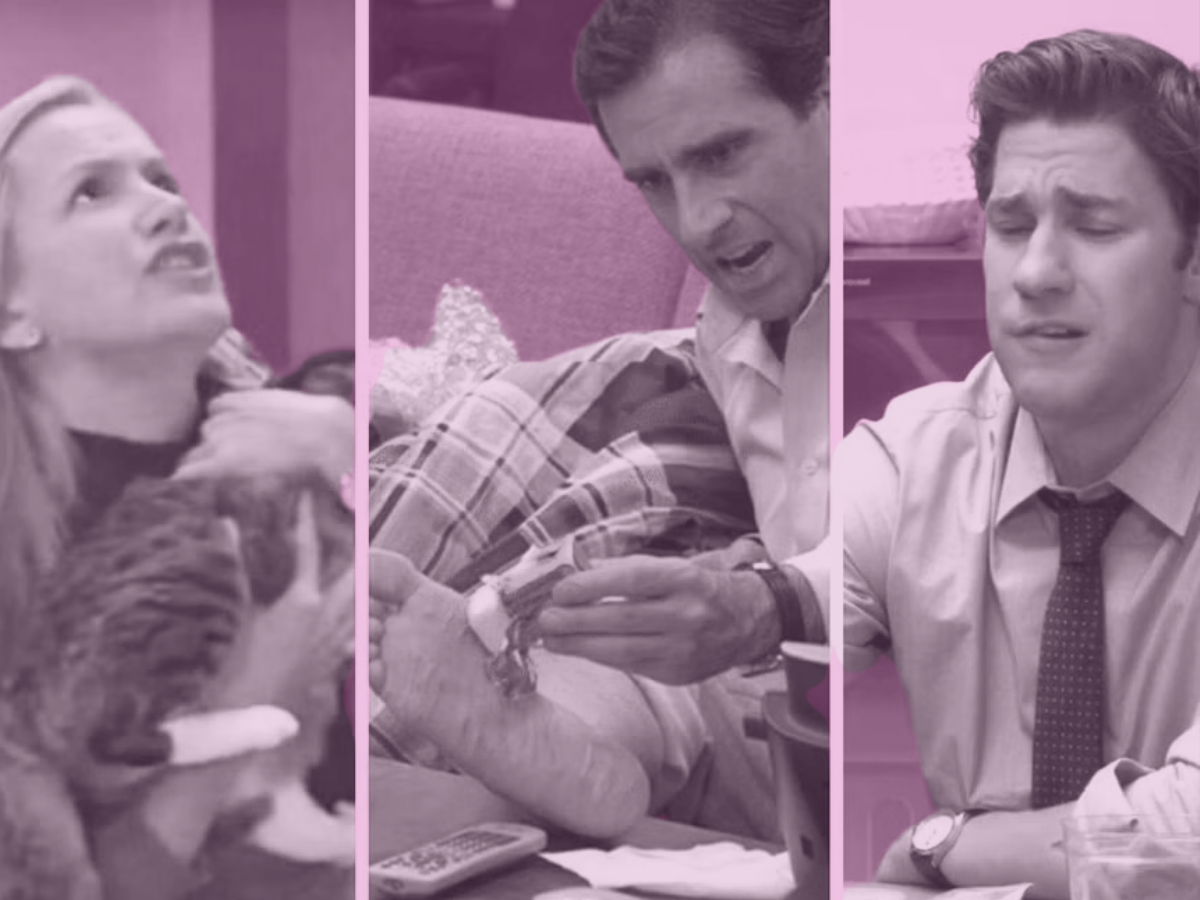
There is always something happening in The Office, Parks and Recreation, 30 Rock, or Reno 911. That is why we love them: the chaos is charming, the characters are familiar, and the hijinks wrap up neatly before the credits.
Then the real workday begins, coffee in hand, calendar full, and the stakes feel different. Outcomes matter. Deadlines are real. Teams want to do work they are proud of, and employers want that effort to turn into healthy margins.
“When do you all work?”
Let’s rewind to The Office, Season 3, Episode 8: The Merger.
Michael is in rare form, attempting to unite two Dunder Mifflin branches through an aggressive campaign of bad improv and worse impressions. He bursts into the sales bullpen mid-shenanigan, prompting the simple question:
“When do you all work?”
To which Phyllis replies, without missing a beat:
“We find little times throughout the day.”
It’s a perfect punchline. But also? It’s a resignation.
They’ve accepted the chaos. They’ve built productivity around dysfunction. And honestly, a lot of real-life employees are doing the same.
Not because they want to, but because they have to.
Most of us have had a day where the calendar looked manageable at 9:00 a.m. and completely different by lunch. And when those outside pressures stack up, employees do what Phyllis described: they carve out small pockets of productivity wherever they can find them.
It’s admirable. But it shouldn’t be the design.
The lever that moves profit: Quality of Life
This is where the conversation shifts.
At Humankind, we talk about Quality of Life because it sits right underneath that quiet daily negotiation employees are making. When life outside of work is unstable, people spend energy compensating. They adjust schedules, juggle responsibilities, and push through distractions just to keep the day moving.
In other words, they “find little times throughout the day.”
That’s where Quality of Life starts to change the equation.
When the fundamentals of daily life are steady, employees do not have to constantly adapt around problems. Their attention stays where it belongs. Their energy lasts longer. Work moves forward without the constant background hum of personal logistics.
When life works, work works.
And when life wobbles, the best hours of the day get spent in triage.
Restore the foundation outside the office and, more often than not, attention and momentum start to return inside it.
A simple chain to remember
Quality of Life → Capacity → Consistency → Productivity → Profitability
What we mean by Quality of Life
Quality of Life is not a perk list. It is the everyday foundation that allows people to bring clear attention and steady energy to their work.
Our nine dimensions of well-being keep the definition grounded:
Mental health with stress that feels manageable
Physical health that supports reliable energy
Financial stability and day-to-day cash flow
Housing that is safe and stable
Reliable access to food and nutrition
Family and caregiving support that does not derail work
Access to care with clear benefits navigation
Social connection and a sense of belonging
Predictable, humane workplace conditions and autonomy
When these are steady, something subtle but important happens.
People show up calmer. Decisions get made faster. Work moves forward without constant friction.
That shows up as cleaner handoffs, fewer errors, faster cycles, and a steadier drumbeat of delivery. Over time, those inputs add up to profit.
The cost of chaos, minus the laugh track
The distractions that stall a Tuesday are rarely kazoos and fake fire drills.
They are quieter and much more familiar: a medical bill that needs attention, a parent who needs a ride to an appointment, a daycare that closes early, or a benefits portal that asks for the fifth login of the morning.
None of these moments feel dramatic on their own, but they shape the rhythm of the workday. Focus slips in and out. Tasks stretch longer than planned. Teams spend more time catching up than moving forward.
Over the course of a week, the effect compounds. Meetings lose momentum, projects stall, and productivity rarely reaches what it could—or what everyone involved knows it should.
When the fundamentals of daily life are stable, the difference is noticeable. Work moves more smoothly, attention lasts longer, and the day begins to feel lighter.
But when those fundamentals wobble, employees find themselves doing exactly what Phyllis described: carving out small pockets of productivity wherever they can.
And employers absorb the cost through delays, rework, absence, turnover, and lost momentum on revenue.
What Stronger Quality of Life Looks Like at 10:13 a.m. on a Tuesday
When the foundation is in place, the workday feels different in ways that are small but compounding.
Focus holds a little longer, which means more output in the same hour. Handoffs land when they are supposed to, so projects keep moving instead of circling back for clarification. Errors get caught earlier, which saves teams from costly rework later.
Attendance becomes more predictable, teams maintain their rhythm, and experienced employees decide to stay, keeping valuable institutional knowledge inside the organization.
Taken together, these shifts create a workplace that feels calmer and more productive. Fewer fire drills. More green checkmarks. Fewer sticky notes covering a monitor. More finished drafts.
How Humankind helps
We design support around people, not portals, so progress feels personal and practical. The approach is simple to follow and easy to act on.
Proactive outreach
Most people do not raise a hand when life gets heavy. We reach out first, surface needs early, and close gaps before they become performance issues.
Whole-person navigation
One partner across our nine factors means fewer dead ends. Employees get step-by-step guidance through benefits, community resources, and care, without bouncing between point solutions.
Human connection with smart tools
Technology makes access easier, and human guides make progress faster. Together they reduce friction, shorten time to action, and help employees stay focused on the work that matters.
Bring back the fun, keep the focus
Sitcom energy is perfect for Thursday night reruns. But Tuesday deadlines ask for something steadier.
Give people a solid Quality of Life foundation, and the office gets lighter. Meetings start on time. Projects move without last-minute heroics. The day feels friendlier to good work.
That is the environment where productivity grows, and profitability follows.
When Quality of Life sits at the center, employees bring their best to the workday, productivity rises in a way leaders can see, and profitability strengthens in a way boards can measure.
That feels like a storyline worth renewing.
Footnote: Measurement
Quality of Life should be managed like any other performance driver. That means clear definitions, consistent metrics, and visibility that leaders can act on.
Humankind recently published their results of our Quality of Life Trend Report, measuring the nine dimensions of well-being across today’s workforce and providing employers with practical benchmarks they can track over time.
The goal is simple: clearer insight into where life outside of work is helping or hindering performance— and what employers can do about it.
Because when Quality of Life improves, productivity and profitability tend to follow.